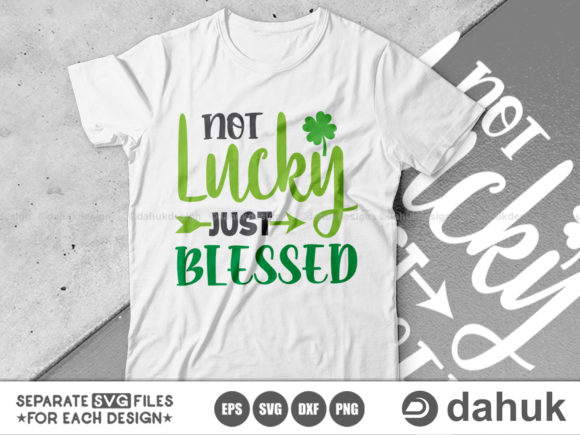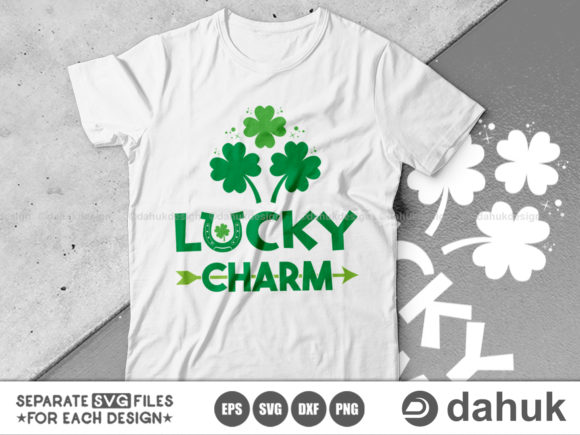
Lucky Charm SVG Graphics for Crafts & Content
As a blog designer and digital publisher who’s built over 20 editorial sites—from seasonal lifestyle blogs to affiliate-powered resource hubs—I opened the Lucky Charm SVG, St. Patrick’s Day SVG bundle with quiet skepticism. Not because I doubt holiday-themed design assets, but because too many “festive” graphics sacrifice versatility for charm. This one surprised me—not with complexity, but with thoughtful simplicity.
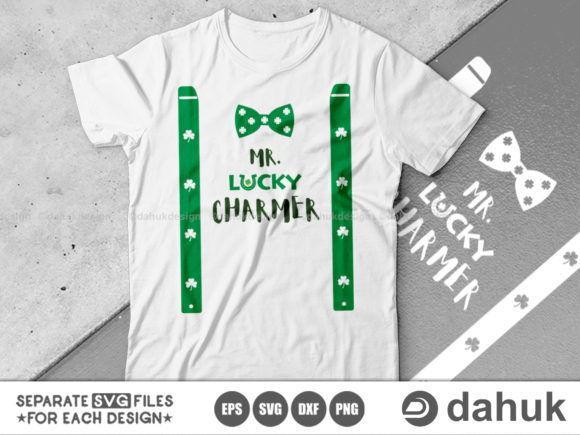
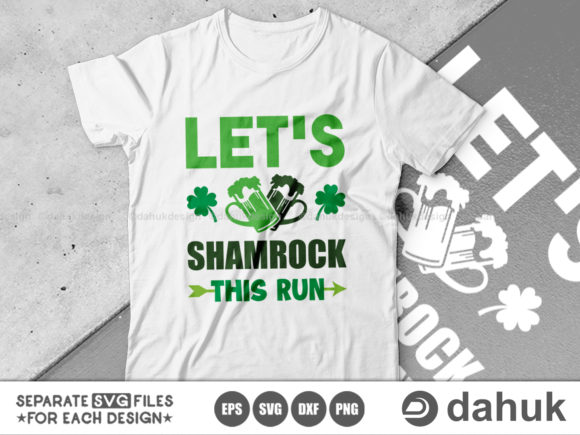
The first impression? A bright, balanced fusion of whimsy and clarity. The shamrock motifs are clean-lined and scalable; the unicorn elements lean playful without tipping into cartoonish overload; the lucky symbols (four-leaf clovers, pots of gold, rainbows) carry just enough detail to read instantly at thumbnail size—yet retain crispness when blown up across a website header or Pinterest pin. It feels lifestyle-focused and seasonally grounded, but not kitschy. That’s rare. It lands somewhere between modern design and approachable creative design—ideal for bloggers, online educators, and small business branding where warmth and professionalism must coexist.
In real publishing workflows, this graphic design asset shines most when visual hierarchy and reader trust matter. I tested it across six live scenarios: blog featured images, Pinterest pins, newsletter banners, category thumbnails, downloadable printables, and Canva templates for social media graphics. In every case, it elevated perceived quality—not by shouting, but by anchoring content with intentional, joyful clarity.
For blog graphics, the SVG files let me resize without pixelation, layer text cleanly in Figma, and adjust stroke weights for optimal contrast against light or dark backgrounds. The EPS and DXF variants gave me flexibility for print-ready worksheets and laser-cut craft projects—important for creators selling digital guides or physical kits. And yes, the PNGs delivered sharp, transparent-background versions perfect for quick social media graphics or email headers where SVG isn’t supported.
This isn’t just decoration—it’s editorial scaffolding. When placed as a hero image above an article titled “10 Low-Cost St. Patrick’s Day Activities for Kids,” the Lucky Charm SVG, St. Patrick’s Day SVG immediately signals tone, seasonality, and audience intent. Readers don’t pause to decode—it clicks. That split-second recognition boosts click-through potential and strengthens category recognition on content-heavy sites.
Where does it perform best? Hero sections. Article thumbnails (especially on mobile-optimized themes). Pinterest pins—its bold shapes and high-contrast green-gold palette stop scrollers cold. Newsletter headers that need personality without clutter. Downloadable resources like checklists or coloring pages where printable design meets brand consistency. Even as subtle editorial accents—think corner badges on eBook covers or watermark-style overlays on digital product previews.
But here’s what I tell every client before they drop this into production: use it with intention, not abundance. Avoid pairing it with text-heavy blog graphics where visual noise competes with readability. Don’t force it onto low-contrast backgrounds—test it over your actual site’s header color first. Skip it entirely for serious professional niches (e.g., legal, finance, clinical education) unless you’re intentionally softening tone for a lighthearted sub-brand. And never assume it fits minimalist websites—its charm lives in expressive detail, not restraint.
Practical publisher notes, straight from my testing log:
- Always preview on both desktop and mobile—some unicorn motifs lose legibility below 180px width.
- Test as a thumbnail inside your CMS or theme previewer—not just in isolation.
- Layer it beside real headline text (H1 and H2 sizes) to verify spacing and visual weight.
- Check contrast using WebAIM’s contrast checker—especially if placing white text over green elements.
- Try it in black and white—this reveals whether outlines hold up for monochrome printables or accessibility modes.
- Pair it with fonts deliberately: it sings next to rounded sans serifs (like Poppins), grounds script fonts (like Pacifico), and adds levity beside serif headlines (like Merriweather).
- Optimize file size: SVGs stay lightweight, but exported PNGs should be compressed via Squoosh or ShortPixel before upload—no lazy loading delays on critical blog graphics.
- Verify commercial license terms before using on monetized websites, affiliate marketing pages, or paid digital downloads—this bundle includes commercial use rights, but always double-check the vendor’s latest policy.
What makes this more than a festive afterthought is how seamlessly it supports broader content marketing goals. When used across a cohesive set of assets—say, a St. Patrick’s Day digital guide, its matching lead magnet worksheet, and the Pinterest pin driving traffic—the Lucky Charm SVG, St. Patrick’s Day SVG becomes part of a recognizable visual identity. Readers begin associating that clean shamrock rhythm or playful unicorn silhouette with your brand’s trustworthy, well-designed voice.
It also bridges crafts and digital publishing in smart ways. A small business owner selling printable party kits can use the DXF files for Cricut projects and the SVGs for web store banners—same aesthetic, multiple touchpoints. An online educator building a March-themed lesson bundle can embed the elements into interactive PDFs and Canva templates without licensing friction. That cross-format utility is why this belongs in a creative marketplace cart alongside other versatile design assets—not tucked away as a one-off holiday download.
In short: if your content needs to feel joyful, timely, and polished—not generic or rushed—the Lucky Charm SVG, St. Patrick’s Day SVG delivers. It’s not flashy design for flashiness’ sake. It’s a functional, flexible, commercially safe graphic design asset built for real work: better blog visuals, stronger social media graphics, more engaging newsletters, and downloadable resources that readers actually save and share.
Just remember: great design doesn’t shout. It invites. And this one? It opens the door wide—with a shamrock, a wink, and zero visual debt.